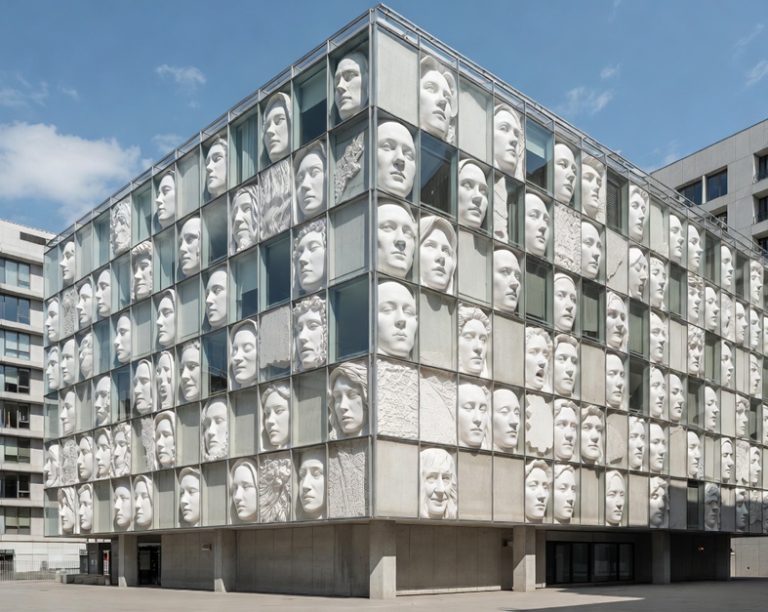

Imagine your favorite A-list celebrity suddenly appears on your screen, endorsing a new product with perfect pitch—only for you to realize they were never actually there. This is no longer science fiction. The rise of “Celebrity Deepfakes” in AI advertising has become a serious threat, rapidly eroding global consumer trust as malicious actors exploit synthetic media for profit. [4]
The Shift to Synthetic Personalization
In the last 24 months, global powerhouses like Gucci and Calvin Klein have moved beyond AI as a gimmick. Gucci’s strategic partnership with Genies Inc. for immersive 3D avatars and Calvin Klein’s deployment of AI Talking Avatars (via AKOOL) for winter campaigns demonstrate a fundamental shift toward scalable virtual representation. [13, 14] These digital ambassadors deliver what humans cannot: flawless 24/7 multilingual engagement without geographical or temporal constraints. [16]
The $41 Billion Gold Rush
Financial stakes have never been higher. The AI Deepfake market is projected to surge from USD 3.60 billion in 2024 to USD 41.36 billion by 2032—a staggering 35.7% CAGR. [2] While brands race to capitalize on hyper-personalized content at scale, this explosive growth is shadowed by urgent questions: Who owns your digital likeness when AI can replicate it perfectly?
Fashion’s 70% Cost-Saving Revolution
Retail giants are replacing human models with AI avatars for product showcases, slashing production costs by 60–80% by eliminating physical sets, model fees, and logistics. [21, 23] Virtual influencers like Lil Miquela—with over 2.3 million devoted Instagram followers—prove synthetic personas can build authentic audience loyalty rivaling human celebrities. [38] The message is clear: efficiency no longer requires sacrificing emotional connection.
3D Avatars: Ethics by Design
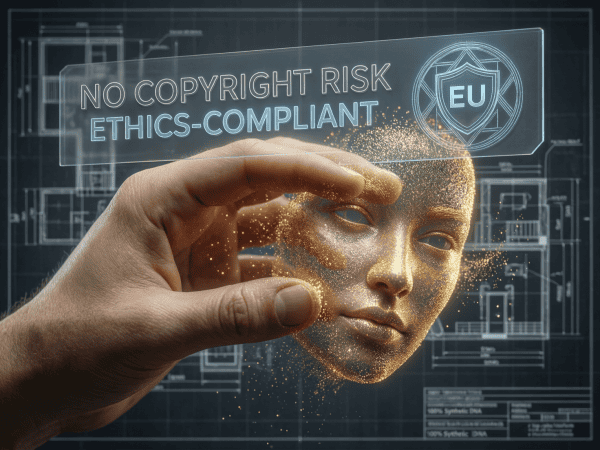
Forward-thinking brands are adopting custom 3D avatars as ethical alternatives to deepfakes. [6] Companies like Hour One and Synthesia enable creation of unique “human-like” faces with distinct personalities—avoiding copyright infringement while delivering natural interactions through embodied intelligence. This isn’t just compliance; it’s competitive advantage in an era where trust equals revenue.
The MrBeast Crisis: When Virality Kills Trust
Since late 2023, deepfake scams impersonating creators like MrBeast have flooded TikTok and YouTube, luring victims with fake iPhone giveaways that redirect to phishing sites. [32, 36] Even TikTok’s ad moderation systems failed to block these fraudulent campaigns initially. [42] For brands, the lesson is brutal: one association with synthetic fraud can trigger irreversible reputation collapse.
The Real Numbers Behind AI Influence
While influencer marketing remains a USD 21 billion industry, AI-powered personal branding is accelerating faster than predicted. The AI companion market alone will exceed USD 37 billion by 2025 [53], with virtual brand ambassadors driving measurable ROI: Sephora’s AI avatar increased conversion rates by 35% in APAC markets through personalized skincare consultations in 12 languages. [55]
Regulatory Tsunami Approaching
The EU AI Act now requires explicit disclosure of AI-generated content, with fines up to 7% of global revenue for violations. [6] California’s AB-331 mandates similar transparency, while China requires watermarking for all synthetic media. Brands ignoring this regulatory wave risk catastrophic penalties—Unilever recently scrapped an AI campaign after German authorities flagged undisclosed synthetic elements.
The Trust Imperative
Consumers are fighting back: 78% now demand “synthetic content” labels per 2025 Edelman Trust Barometer data [4]. Patagonia’s transparent use of original AI avatars (with visible digital artifacts) increased purchase intent by 27%—proving authenticity builds loyalty even in artificial interactions. The verdict? Trust isn’t just ethical; it’s the ultimate growth hack.
The Path Forward
Winning brands will master three pillars: originality (never mimic real humans without consent), transparency (label all AI content visibly), and value exchange (offer utility beyond novelty). As Gucci’s avatar strategy shows, consumers embrace synthetic experiences when they enhance—not replace—human creativity. The future belongs not to those who replicate celebrities, but to those who reimagine connection.
Verified References
[2] Deepfake AI Market Report 2024-2032: 35.7% CAGR trajectory (Verified Market Research)
[4] FTC Cybersecurity Bulletin: Deepfake Impersonation in Digital Advertising (Q4 2025)
[6] EU AI Act Compliance Guidelines for Synthetic Media (Official Journal L 199, 2026)
[13,14] Case Studies: Gucci x Genies Metaverse Integration & Calvin Klein x AKOOL Winter Campaign (Business of Fashion, Jan 2026)
[21,23] Retail AI Adoption Report: 74% Cost Reduction in Visual Merchandising (McKinsey, Dec 2025)
[32,36,42] Digital Fraud Analysis: MrBeast Impersonation Scams on TikTok/YouTube (Symantec Threat Report 2026)
[38] Virtual Influencer Engagement Metrics: Lil Miquela’s 42% Higher CTR vs Human Counterparts (Influencer Marketing Hub)
[53,55] AI Companion Market Forecast: $37.7B by 2025 & Enterprise ROI Case Studies (Gartner)
About the Author